
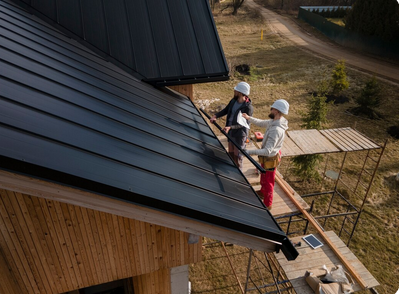
Modern prefab construction is making significant strides, not just in speed and design, but also in long-term performance and sustainability. One of the most essential features driving this evolution is energy efficiency, which plays a central role in reducing operating costs, environmental impact, and overall comfort. As builders push toward higher standards, insights from sources like https://www.immobilien.de/Energieeffizienz-im-Fertighausbau-Was-lohnt-sich–2760282.html help explain which efficiency benchmarks are worth pursuing. Understanding metrics is crucial for buyers who want prefab homes that are not only modern in design but also optimized for lasting performance.
Factory Precision and Energy Performance
An advantage of prefab homes is that their components are built in controlled environments. This precision eliminates many of the gaps and leaks common in traditional construction, leading to better insulation and airtightness. Standards like ENERGY STAR and LEED certifications are often applied to prefab projects, ensuring homes meet benchmarks for heating, cooling, and overall energy use. The result is a structure that holds temperature more effectively, keeping interiors comfortable while cutting down on utility bills.
Advanced Materials and Insulation
Energy efficiency standards in prefab construction also focus heavily on materials. High-performance insulation, triple-glazed windows, and energy-rated doors are often built right into the design. Because homes are prefabricated, builders can test and refine these features before they even leave the factory. This attention to detail makes prefab houses especially appealing in regions with extreme temperatures, where a well-insulated home can make a huge difference in daily comfort and cost.
Integration of Smart Technology
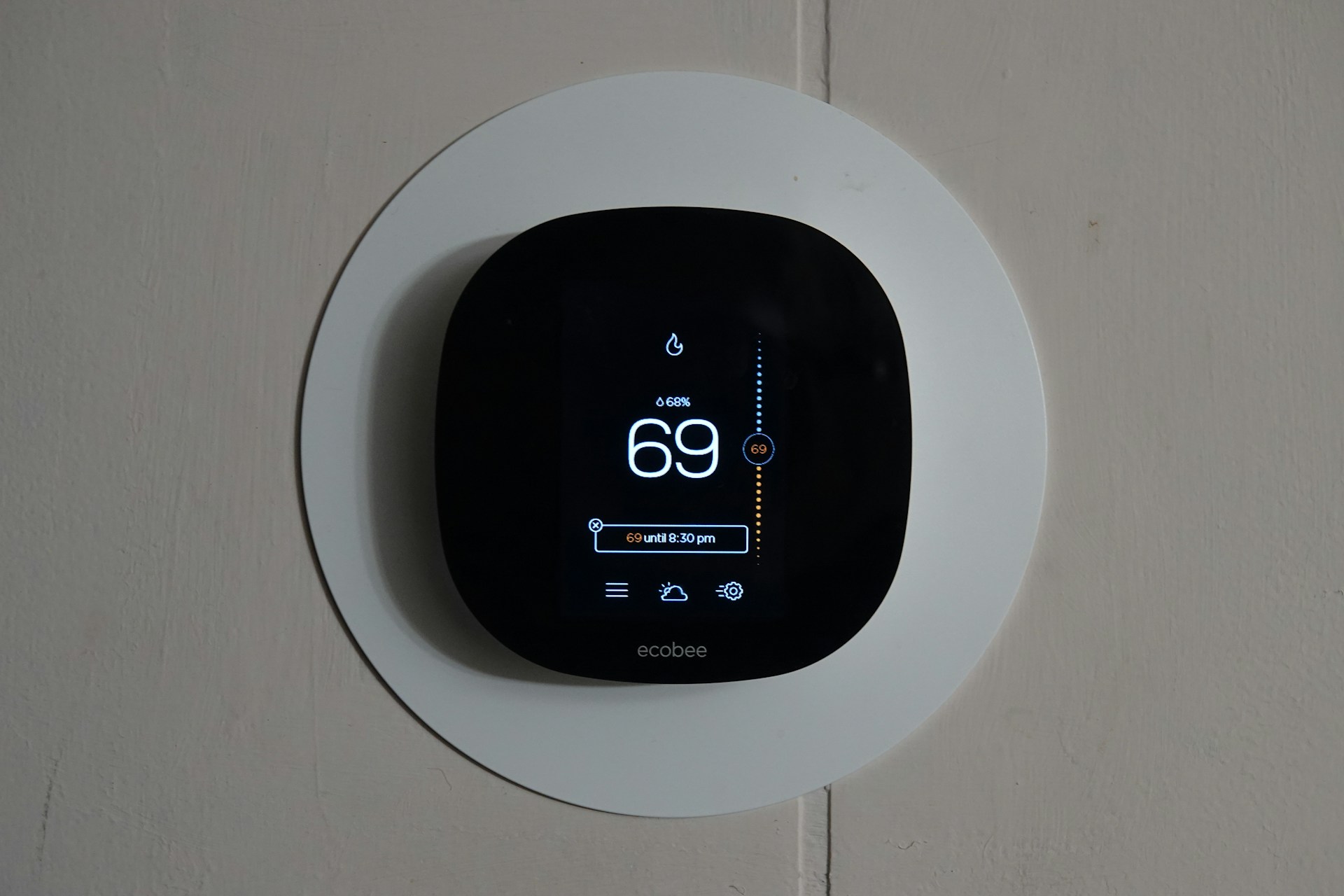
Modern energy standards do not stop at insulation. Many prefab homes are designed to accommodate smart thermostats, solar panels, and energy-monitoring systems. These additions help homeowners track their consumption and adjust usage for better efficiency. Prefab construction makes it easier to integrate these technologies from the start rather than retrofitting them later, which saves money and ensures compatibility. Buyers get the benefit of homes that are ready for the future without the hassle of upgrades down the line.
Environmental Responsibility and Savings
Meeting energy efficiency standards also means lowering environmental impact. Prefab homes typically use sustainable building materials and reduce waste during production, aligning with eco-friendly construction practices. For buyers, this translates to long-term savings on utilities and potential tax benefits from green certifications. More importantly, it creates a lifestyle that supports both financial goals and environmental responsibility, showing that prefab can be both smart and sustainable.
Energy efficiency standards are shaping prefab construction into one of the smartest options in modern housing. From factory-built precision and advanced insulation to smart tech integration and sustainable materials, these homes meet high expectations for comfort and savings. For buyers, this means living in a house that keeps energy costs low while reducing environmental impact. Prefab homes prove that energy efficiency is not just a bonus feature but a core advantage of this building style, making them a forward-thinking choice for today’s homeowners.…