
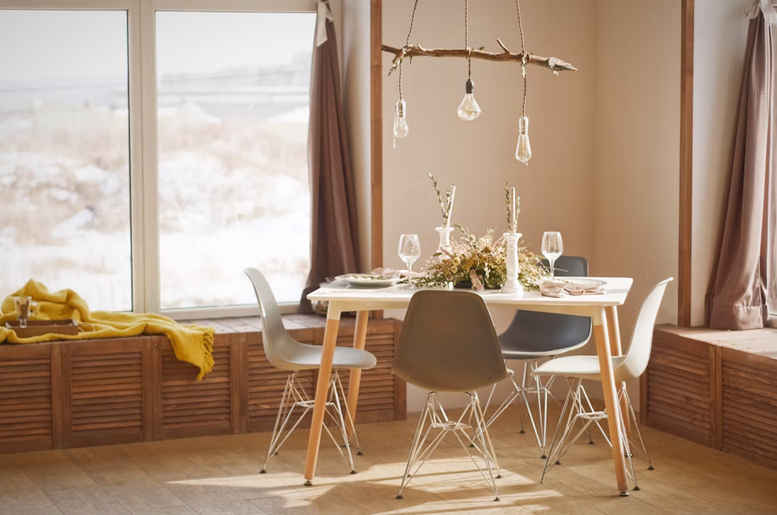
Making a small dining area work requires a some creativity and an eye for style that balances charm with practicality. Whether you’re designing a corner breakfast nook or styling a compact dining room, it’s entirely possible for enjoy both form and function in limited space. While styling matters, functionality should never take a backseat—and luckily, it doesn’t have to. Here are impactful tips that can help you get the most out of your space without compromising on visual appeal or daily usability.
Choose Multi-Functional Furniture
There are many new ways to set the table in style. One of the first decisions that shapes your dining space is the furniture you pick. Small areas benefit greatly from items that serve more than one purpose. For example, consider tables that come with hidden storage underneath or benches that double as storage trunks. Fold-out tables or extendable surfaces can also give you the flexibility to accommodate guests when needed and conserve space during everyday meals. Opt for pieces with slim silhouettes. Bulky furniture tends to overpower a compact room, while pieces with lighter framing or glass tops create the illusion of openness. Look for chairs that can easily slide under the table or stack without hassle.
Keep Your Color Palette Light and Cohesive
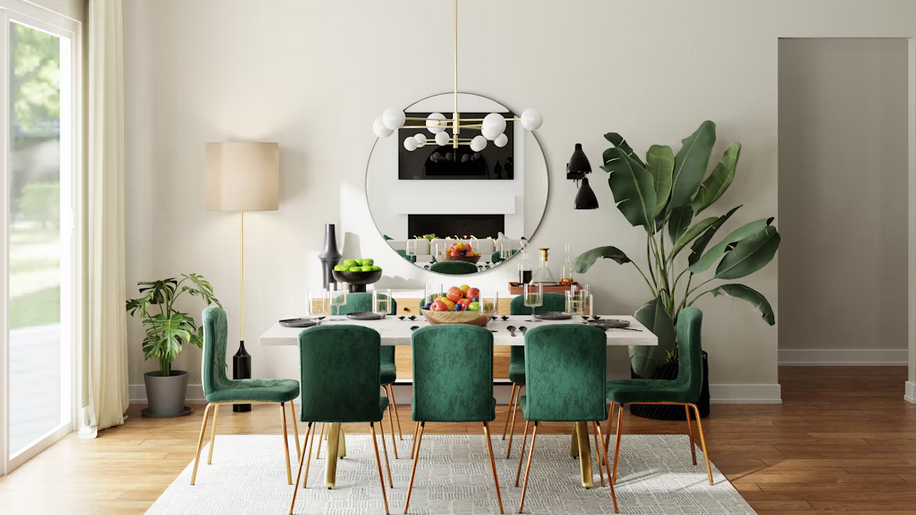
The color scheme you pick can drastically influence how spacious a room feels. Lighter tones reflect better light and can make a tight space feel airier. Whites, soft greys, pale blues, or muted greens work beautifully in dining spaces, especially when combined with natural textures like wood, rattan, or bamboo. If you enjoy bold décor, introduce color through smaller accents like cushions, a vase, or a set of decorative placemats. That way, you still enjoy visual interest without the room feeling closed in or heavy.
Use Vertical Space to Your Advantage
When floor space is scarce, thinking upward makes a difference. Wall-mounted shelves are perfect for displaying dishware, plants, or décor without eating into your floor area. Hanging racks for wine glasses, pegboards for utensils, or even a floating cabinet can store items within easy reach while making your space feel more dynamic. Another underrated trick is using artwork or mirrors. Mirrors reflect light and give the perception of more room. Choose one bigger mirror or several smaller ones strategically placed to bounce light across the room and make it feel more expansive.
Invest in Smart Lighting Solutions
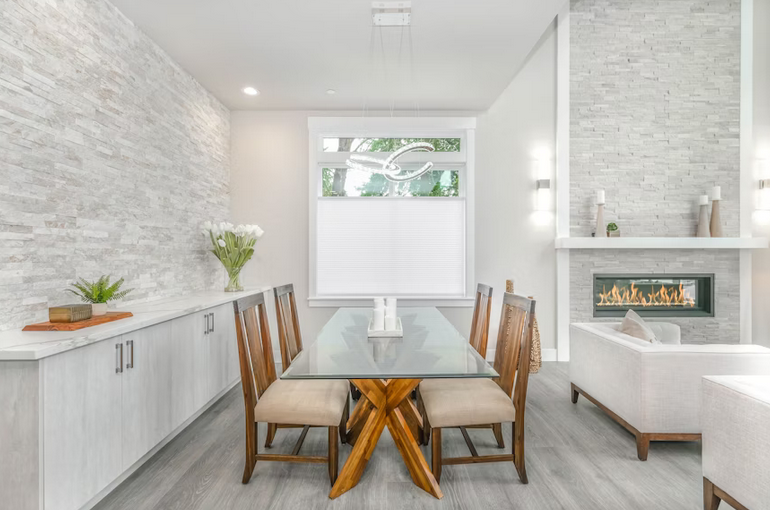
Lighting plays a big role in both atmosphere and spatial perception. A well-lit dining area feels more welcoming and spacious. If a central pendant or chandelier isn’t an option due to low ceilings or limited wiring, consider a sleek wall-mounted sconce or under-shelf LED strip lights. Floor lamps in slim styles can also add warmth and light without taking up table space. For added depth, use dimmable lights that can shift from bright to cozy depending on the time of day or mood. Dining becomes a more intentional experience when the lighting matches the setting.
Declutter and Curate Purposefully
Small spaces become cramped quickly when every surface is overloaded. It helps to declutter regularly and only keep out what you use and love. Rather than filling your shelves and table with items, select a few standout pieces—maybe a handcrafted fruit bowl, a pair of textured salt and pepper shakers, or a seasonal floral arrangement. Don’t forget your table setting. Even if it’s just two seats at a tiny table, having thoughtfully chosen tableware can enhance the experience. A clean layout with well-matched linens, simple flatware, and neutral plates adds elegance and order to an otherwise modest setup.
Transforming a small dining area into a stylish and practical zone isn’t out of reach—it just takes a combination of clever layout choices and intentional design touches. By working with the space you have, making thoughtful furniture selections, and keeping the visual clutter at bay, you can create an area that feels both welcoming and efficient. A compact dining room can still be one of the most inviting and frequently enjoyed parts of your home with just a few mindful adjustments.…
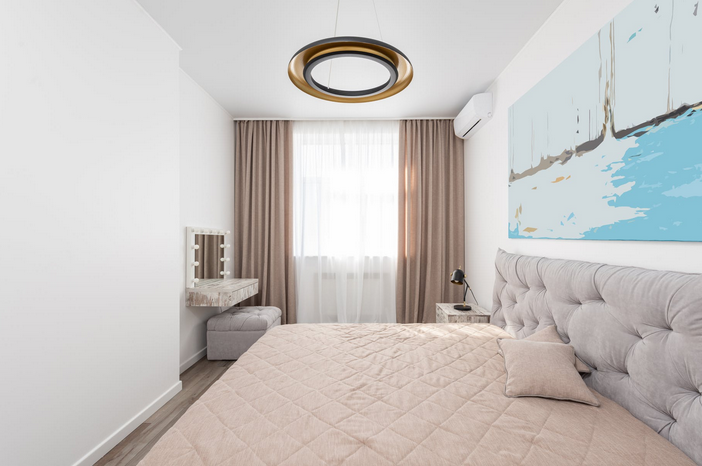
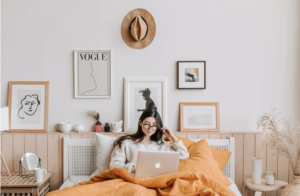 If you suffer from back pain, neck pain, or any other type of pain that makes it difficult to sleep comfortably, an adjustable bed can be a game-changer. You can adjust the head and foot of the bed to find the perfect position for your body, which can help alleviate pain and improve your quality of sleep. But, one thing’s for sure is that you’ll need to find a way to make your adjustable bed look stylish. Luckily, there are plenty of ways to do that. You can purchase an adjustable bed frame and then use a mattress cover or duvet cover to add style and color to the bed. You can also add some throw pillows for extra comfort and style.